

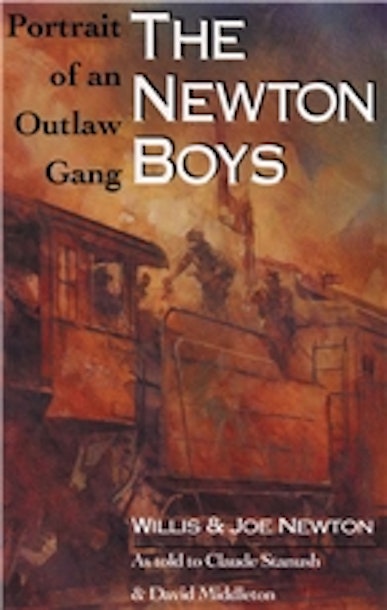
Portrait of an Outlaw Gang
By Willis Newton and Joe Newton
Published January 1994
State House Press
978-1-880510-16-2 paperback $19.95
Portrait of an Outlaw Gang
By Willis Newton and Joe Newton
Published January 1994
State House Press
978-1-880510-16-2 paperback $19.95
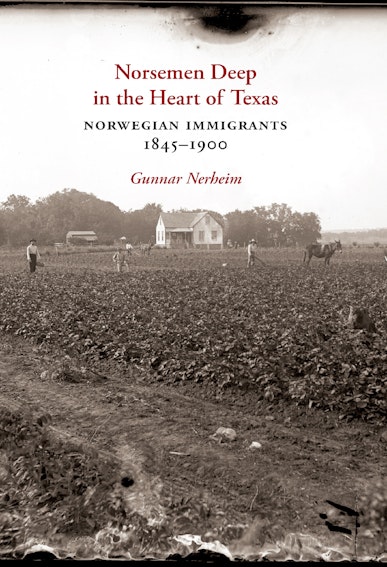
Norsemen Deep in the Heart of Texas
Norwegian Immigrants, 1845–1900
Published March 2024
Texas A&M University Press
978-1-64843-022-0 hardcover (printed case) $42.00

Native Host Plants for Texas Moths
A Field Guide
By Lynne M. Weber and Jim Weber
Published February 2022
Texas A&M University Press
978-1-62349-986-0 flexbound (with flaps) $29.95

The Fall and Winter Campaigns of 1863–1864
Published May 2023
State House Press
978-1-64967-018-2 paperback $28.95
978-1-933337-83-8 cloth

The Texas Rangers, 1848-1861
Published January 2001
State House Press
978-1-880510-76-6 cloth $27.95
978-1-880510-77-3 paperback

Agriculture and Rural Life before the Civil War
Published March 2005
Texas A&M University Press
978-1-58544-429-8 paperback $19.95
978-1-58544-418-2 cloth
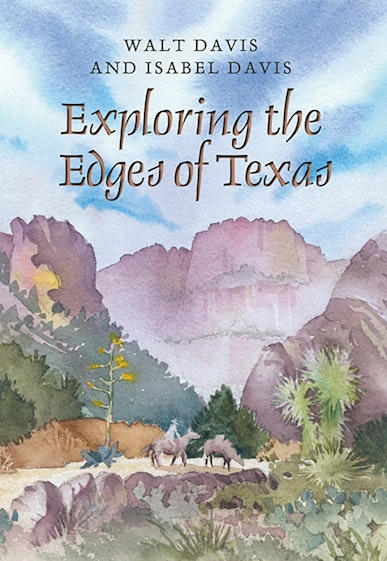
By Walt Davis and Isabel Davis
Published July 2018
Texas A&M University Press
978-1-62349-687-6 paperback $22.95

Historic Homes of Bastrop, Texas
Published August 2022
Texas A&M University Press
978-1-62349-928-0 cloth $40.00

Native Host Plants for Texas Butterflies
A Field Guide
By Jim Weber, Lynne M. Weber and Roland H. Wauer
Published August 2018
Texas A&M University Press
978-1-62349-646-3 flexbound (with flaps) $30.00

Texas’ Political Identity, 1830–1900
Published February 2024
Texas A&M University Press
978-1-64843-171-5 cloth $45.00 s